
English| EUR
Suggested for you
More currencies
Choose a language
The ferry to Tiritiri Matangi Island operates on a fixed schedule tied to conservation access protocols. Understanding departure windows, return sailing times and seasonal variations lets you maximize time on the island for wildlife observation. This page covers the current timetable structure and what it means for your visit.
Quick answer
The Tiritiri Matangi Island ferry operates Wednesday through Sunday year-round, with the island accessible from 09:00 to 15:30. Ferries typically depart Gulf Harbour mid-morning and return mid-afternoon, with exact sailing times varying by season and operator schedule. The island is closed Monday and Tuesday for conservation management, and all visits require advance ferry booking as no walk-on capacity exists.
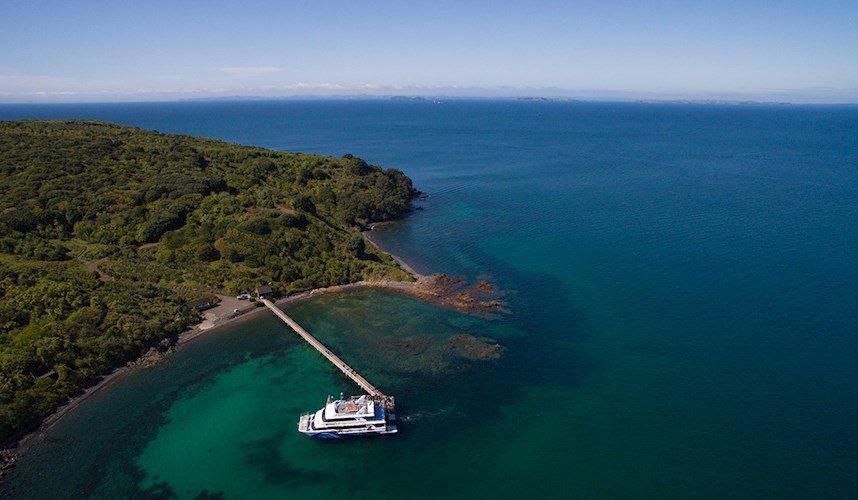
Tiritiri Matangi sits 4 kilometers off the Whangaparaoa Peninsula, reachable only by a 75-minute ferry crossing from Gulf Harbour. The boat schedule determines every aspect of your day because no accommodation exists on the island and no alternative transport runs. The tiritiri matangi island ferry timetable follows a Wednesday-to-Sunday pattern designed around Department of Conservation access windows and volunteer ranger shifts. Morning departures give visitors the full 09:00–15:30 window when takahē, saddleback and kōkako are most active along the ridge tracks. The return sailing locks in your maximum time ashore, typically five to six hours depending on the season. Summer sailings extend slightly to capture longer daylight, while winter schedules compress to align with earlier sunset and cooler temperatures that reduce seabird activity. Booking the outbound crossing automatically reserves your return slot, and the operator enforces strict headcount limits to protect the predator-free sanctuary status. The wharf at Hobbs Beach serves as the sole landing point, and the final departure leaves no margin for late hikers. Missing the return boat means no fallback option exists until the next scheduled sailing day. Seasonal shifts affect more than just departure clocks. Spring and early summer bring fledgling activity across the lighthouse track and Wattle Valley, making morning landings critical for observing nesting behavior. Autumn sailings coincide with the breeding season for little spotted kiwi, though these nocturnal birds require guided night walks not covered by standard ferry access. The Gulf Harbour terminal updates the tiritiri matangi island ferry timetable approximately eight weeks before each new season, and bookings open shortly after schedule publication. Weekend slots fill faster than weekday departures, and public holidays see full vessels weeks in advance. The timetable's rigidity serves the island's ecological mission—controlled human presence lets the stitchbird, robin and tuatara populations thrive without disturbance from unpredictable visitor surges.
“The return sailing locks in your maximum time ashore, typically five to six hours depending on the season.”
Tiritiri Matangi Island is open to the public Wednesday through Sunday. The ferry schedule is fixed to align with these operating hours.
Tiritiri Matangi Island is located in the Hauraki Gulf and is accessible exclusively via the designated commercial ferry service departing from Auckland. Visitors must book their travel in advance to secure passage to this protected scientific reserve.
Gulf Harbour Ferry from Pier 4, downtown Auckland
State Highway 1 to Gulf Harbour Marina
AT Local bus service to Gulf Harbour Marina
The ferry departs from the Gulf Harbour Marina on the Whangaparaoa Peninsula. Arriving early ensures you are prepared for the scheduled boarding process.
The best arrival window is 09:00–15:30, as the fixed ferry schedule makes morning arrivals essential for maximizing wildlife viewing opportunities. Arriving early ensures you have sufficient time to explore the island trails before the final ferry departure.
—
Mid-week trips offer quieter trails and increased chances of spotting rare native birds.
Warm temperatures (20°C–25°C)
High demand necessitates early booking to secure your preferred ferry slot.
Mild temperatures (15°C–20°C)
Cooler weather provides comfortable conditions for walking the extensive island track network.
Verdict: For the quietest experience, aim for a weekday morning arrival during the shoulder months of March, April, or May.
Tiritiri Matangi Island is a protected conservation reserve, meaning entry to the island itself is free. However, visitors must pay for transport via the official ferry service.
Verdict: While the island has no entrance fee, visitors pay exclusively for ferry passage, with total costs depending on the selected passenger category.
Prepare for biosecurity protocols and a full day of walking on this pest-free conservation island.
Everything you need to know about tiritiri matangi island ferry timetable
You can find the latest departure information and manage your travel planning on the official website at https://www.tiritirimatangi.org.nz. This site provides the most reliable data for your trip.
The ferry service operates on a fixed schedule. It is recommended to check the official site before your departure to confirm available sailing times for your specific travel date.
The island is accessible only via the designated ferry service. Please consult the official website to view the specific arrival and departure slots available for your chosen date.
The island is open to visitors from Wednesday through Sunday, with operating hours from 09:00–15:30. The island is closed to the public on Mondays and Tuesdays.
There is no entrance fee for the island itself, as it is a protected conservation area. You only pay for the ferry transport provided by the official service.
A morning arrival is highly recommended to ensure you have maximum time to explore the wildlife and trails. Planning your trip within the 09:00–15:30 window allows for a comprehensive visit.
All visitors must use the authorized ferry service to access the island. This ensures the biosecurity and conservation standards of this special bird sanctuary are maintained.