9 hr
Tiritiri Matangi Island Ferry & Sanctuary Experience
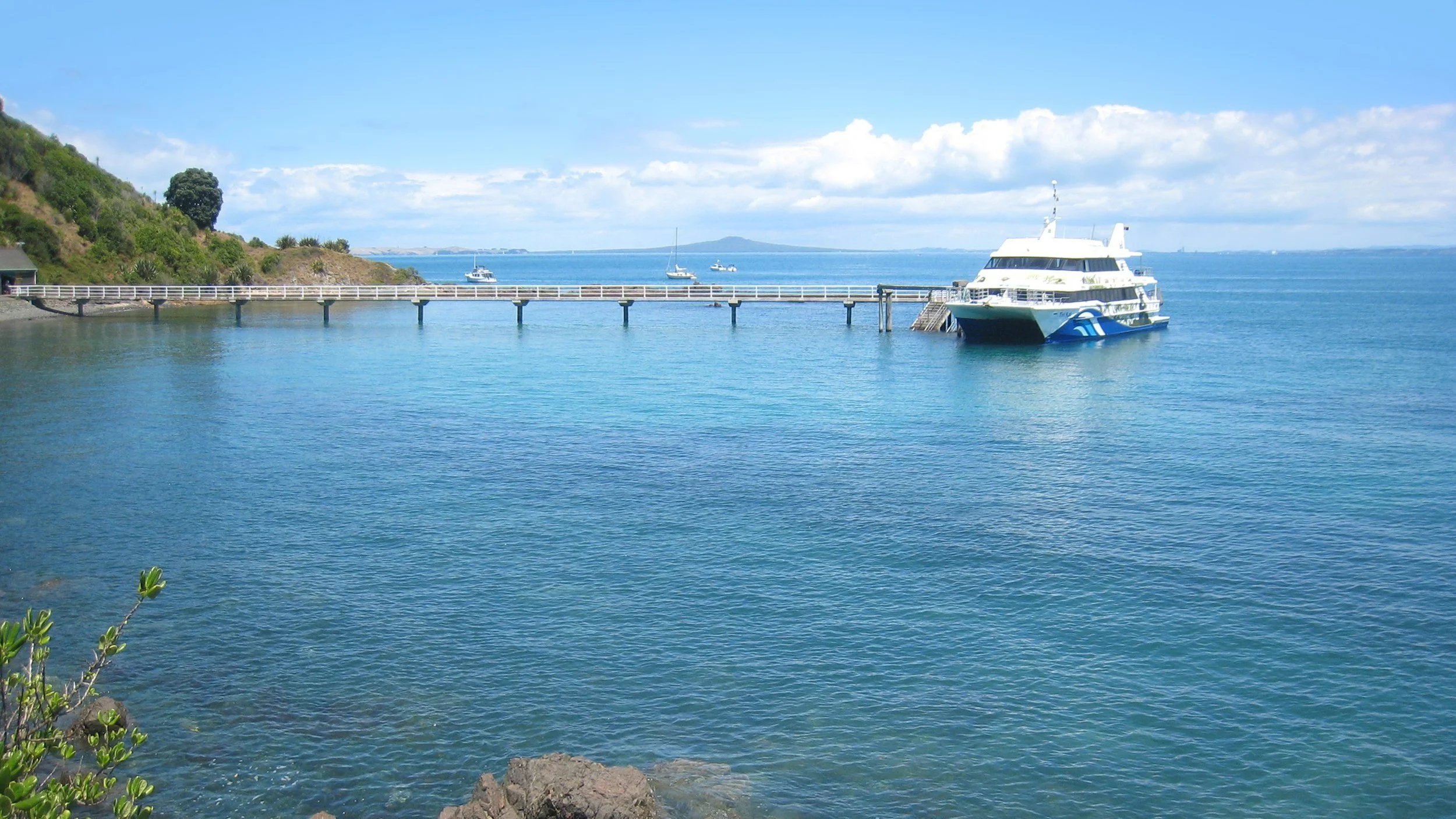
Sail across Hauraki Gulf to a predator-free island refuge teeming with rare native birds and wildlife
Reserve
Open-ocean crossing to restored sanctuary, native birdsong waiting at the wharf
Hand-picked by our editors — only the best 3 ferry operators from 5 reviewed
Verified partners for Tiritiri Matangi Island Ferry tours, free cancellation where available, and instant confirmation on every booking.
9 hr
Sail across Hauraki Gulf to a predator-free island refuge teeming with rare native birds and wildlife
Reserve
9 hr
Explore a restored island sanctuary in the Hauraki Gulf, home to rare native birds and stunning coastal landscapes
Reserve
7 hr
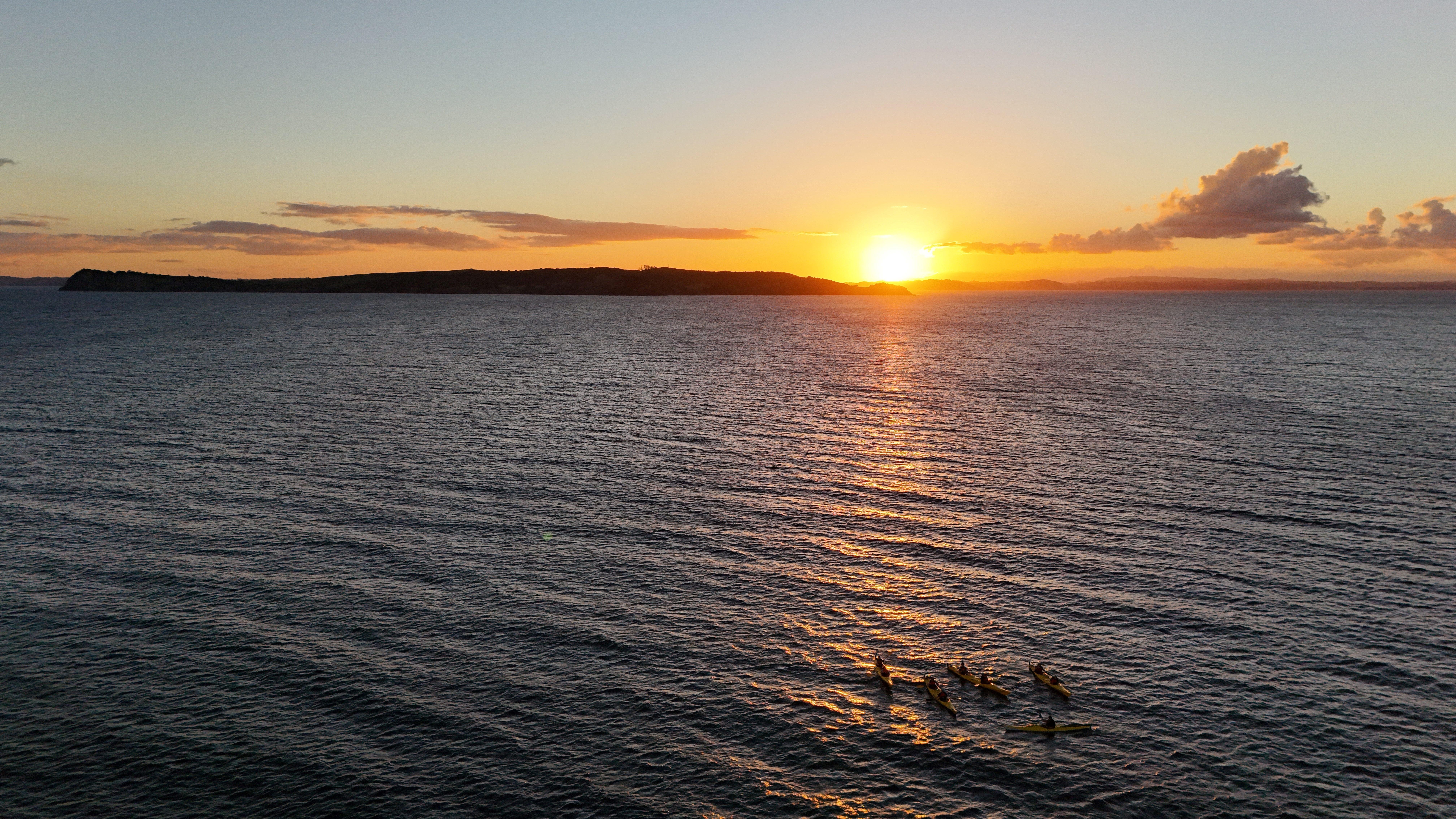
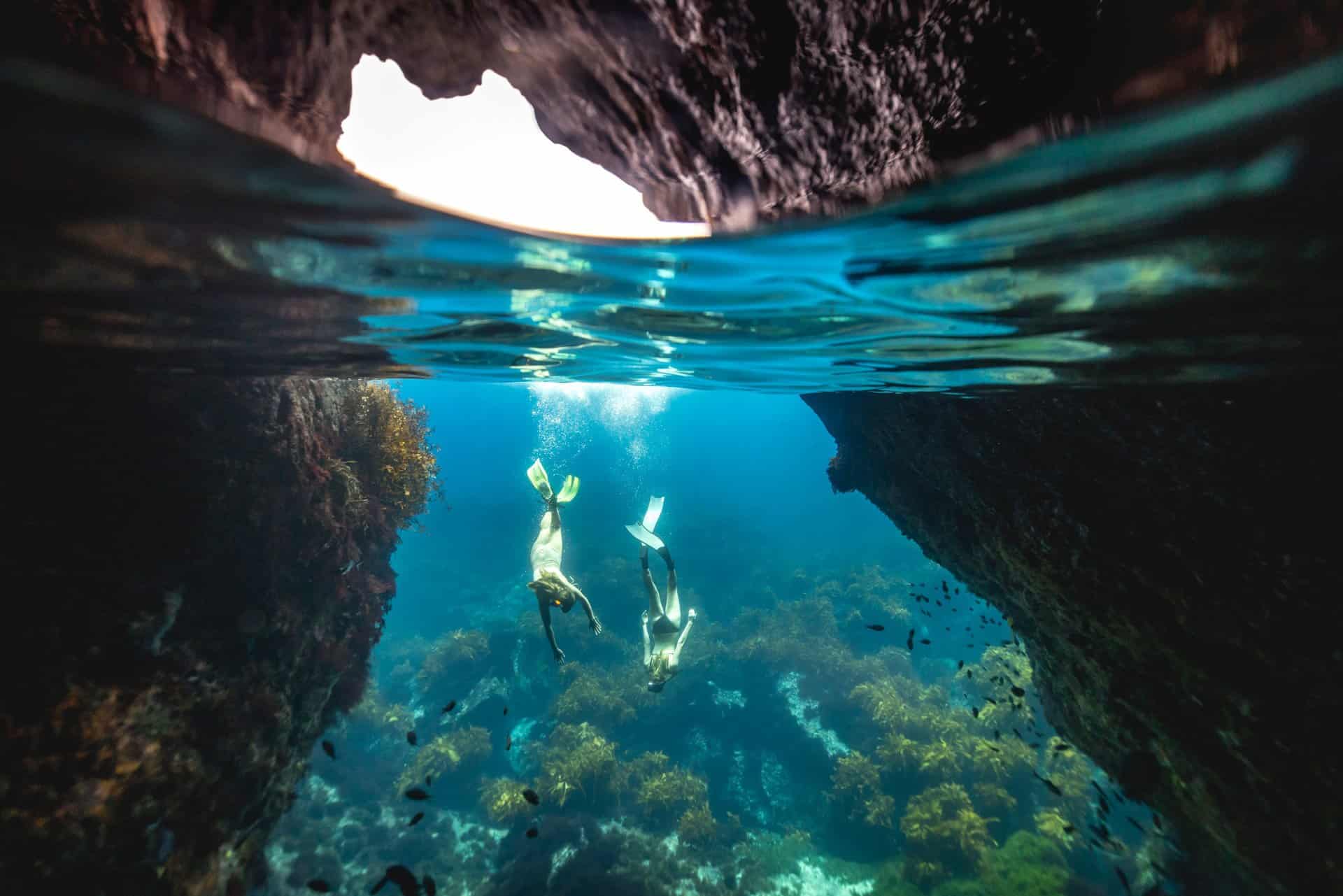
Paddle across the Hauraki Gulf at dusk, dine on the beach, and witness little blue penguins and nocturnal wildlife
ReservePrices from verified partners. Availability updates in real time at checkout. Free cancellation policies apply where shown.
The landmarks, rooms, and views travelers on Tiritiri Matangi Island Ferry tours remember — all visible on a single visit.
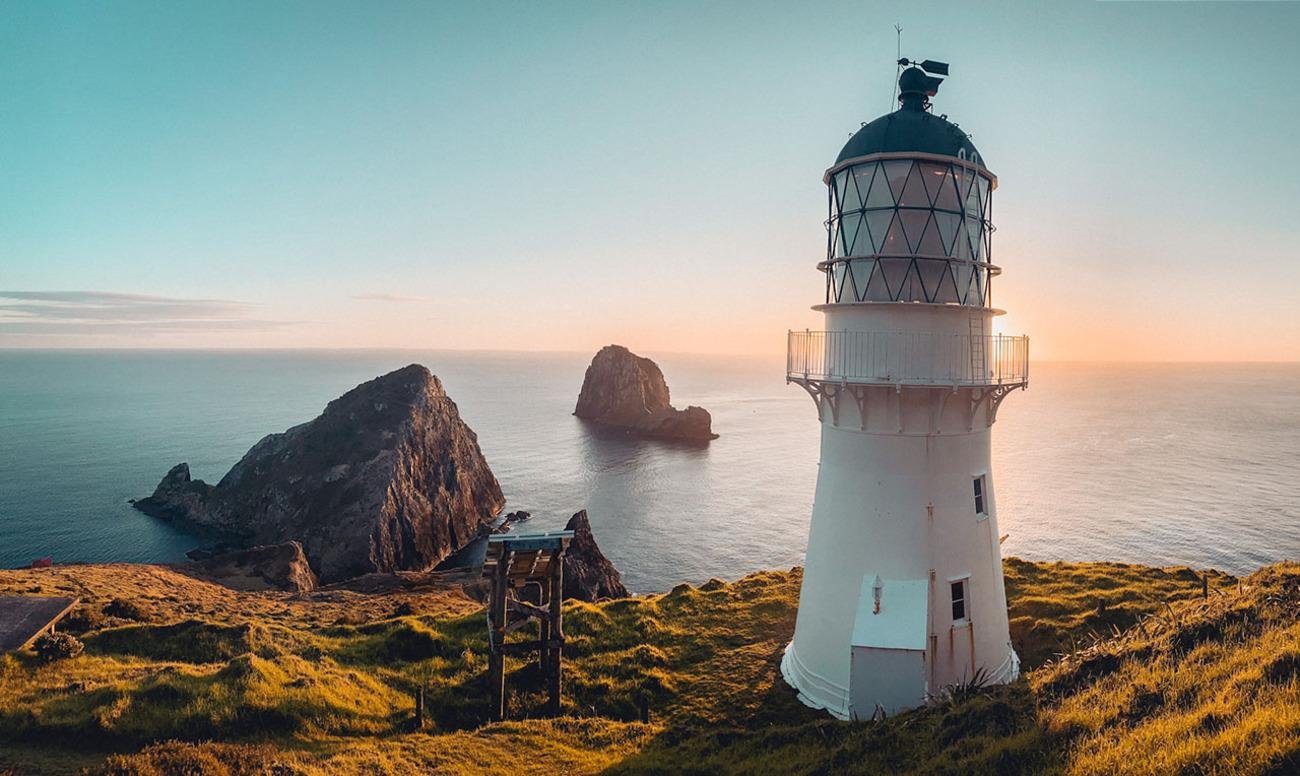
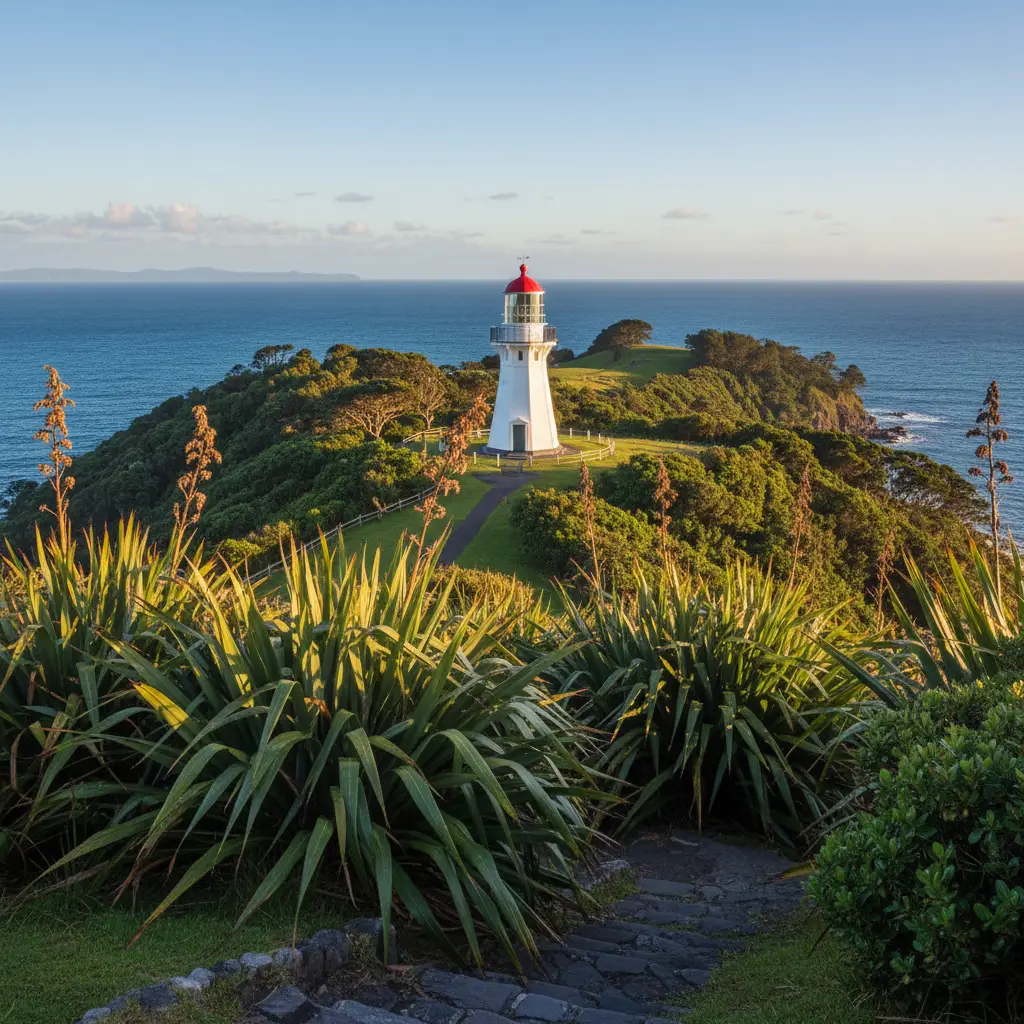
Built in 1864, this is the oldest lighthouse still in operation in New Zealand and offers sweeping views of the Hauraki Gulf.
Located near the lighthouse, this hub provides information, interpretive displays, and free tea and coffee for visitors.
A popular sheltered spot for swimming and snorkeling, where eagle rays are often seen cruising the shallow waters.
This primary trail leads visitors through lush, regenerating forest where rare birdlife like the Kokako frequently forage.
A picturesque boardwalk path that winds through ancient bush, providing excellent opportunities to spot forest birds in their natural habitat.
Every Tiritiri Matangi Island Ferry tour side-by-side — duration, what's included, how you redeem.
| Experience | Duration | Rating | Skip-the-line | Guide | Small group | Free cancel. | Price | |
|---|---|---|---|---|---|---|---|---|
|
Guided Experience Most popular
Tiritiri Matangi Island Ferry & Sanctuary Experience
|
9 hr | ★ 4.7 | ✓ | ✓ | ✓ | ✓ | €53 | Book → |
|
Guided Experience
Tiritiri Matangi Island Wildlife & Conservation Experience
|
9 hr | — | ✓ | ✓ | ✓ | ✓ | €611 | Book → |
|
Guided Experience
Sunset Kayak & Penguin Night Paddle with Dinner
|
7 hr | ★ 5.0 | ✓ | ✓ | ✓ | ✓ | €127 | Book → |
All prices from verified partners. Availability and exact terms confirmed at checkout.
Tiritiri Matangi provides a focused avian restoration experience, whereas Rotoroa Island offers a broader blend of history and creative exhibition. These Hauraki Gulf landmarks each present distinct paths for nature enthusiasts.
| Feature | Top pick Tiritiri Matangi | Rotoroa Island |
|---|---|---|
Primary Focus |
Native bird and forest restoration | Conservation and arts exhibition |
Conservation Model |
Open scientific sanctuary | Private trust stewardship |
Historical Significance |
Lighthouse and Maori heritage | Salvation Army rehabilitation history |
Artistic Features |
None (nature focused) | Public art installations |
Walking Difficulty |
Moderate (well-maintained tracks) | Easy to moderate (varied terrain) |
Vibe |
Remote, quiet, wildlife-centric | Reflective, historical, cultural |
| See tickets → |
Verdict: Choose Tiritiri Matangi if you require an immersive wildlife encounter, or select Rotoroa Island if you prefer to combine your ferry tour with art and local history.
Choose your ticket, select your date, and reserve in under two minutes. Secure checkout handled by our verified partner.
Instant confirmation by email, with a mobile voucher you can save offline. No printing, no queuing at a collection desk.
Arrive at the entrance, show your voucher on your phone, and walk in. Most tickets include priority or skip-the-line access.
Practical details for Tiritiri Matangi Island Ferry tickets straight from our verified partners — hours, access, rules, and how to get there.
Pier 4, Auckland
Follow signage for the tiritiri matangi island ferry.
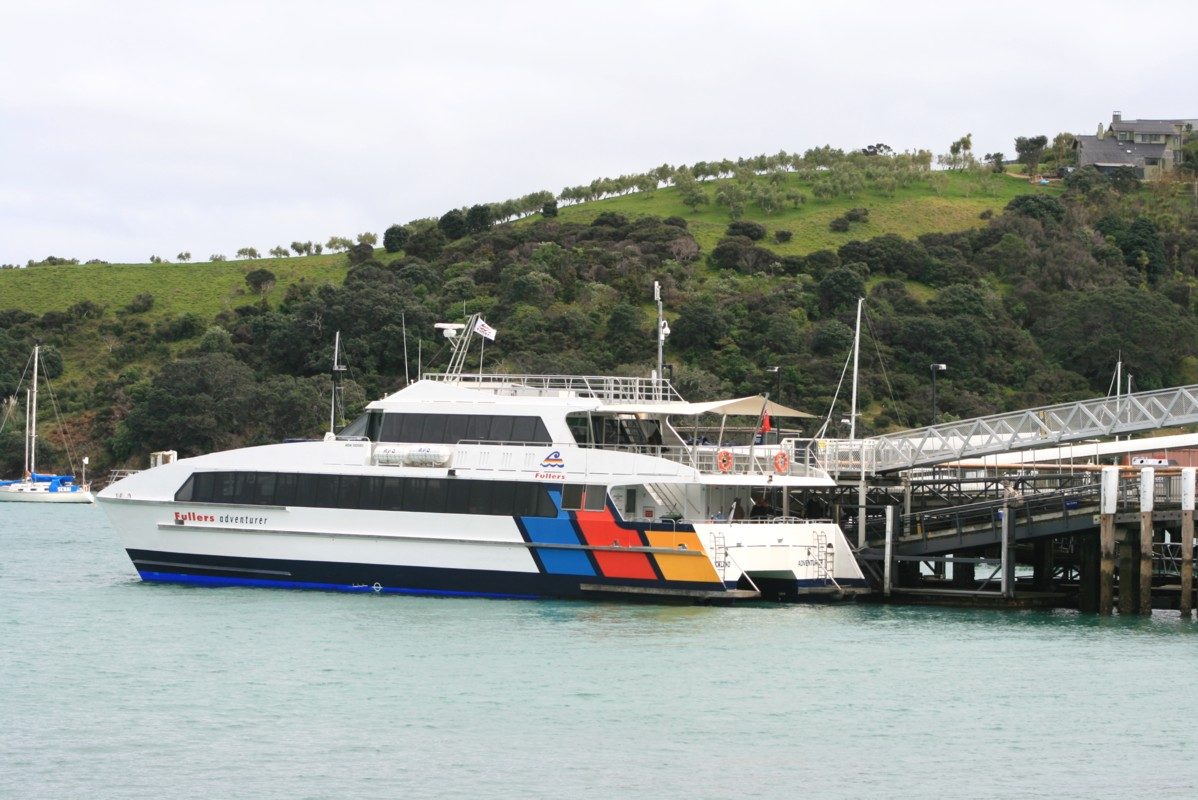
Open in Google MapsFerries depart from Downtown Auckland Ferry Terminal, accessible by bus and train.
Park at the downtown or Gulf Harbour marina facilities before your tiritiri matangi island ferry departure.
Wear sturdy, comfortable walking shoes and dress in layers. The island is exposed to the elements, so a sun hat and a waterproof jacket are recommended regardless of the forecast.
Strict biosecurity measures are in place to protect the island's wildlife. All gear must be checked for pests, seeds, and soil; ensure all bags are sealed and zipped up to prevent hitchhiking rodents or insects.
Photography is encouraged, though visitors must stay on marked tracks. To photograph the shy birdlife effectively, consider bringing a telephoto lens and remain patient in quiet areas of the forest.
The island features well-maintained walking tracks, but they are not fully wheelchair accessible. Paths to the lighthouse area include incline and varied trail surfaces suitable for those with good mobility.
Mobile reception is available in various parts of the island, though it may be inconsistent in forested valleys. Use your device to document your bird sightings during your tiritiri matangi island ferry tour.
Families can pick up a Kiwi Ranger booklet at the wharf upon arrival. Completing the scavenger hunt tasks allows children to earn a badge while learning about conservation.
There is no food available for purchase on the island. You must pack your own lunch and water, and you are required to take all rubbish back with you when you depart.
Pets are strictly prohibited on the island to protect the fragile, predator-free sanctuary. No animals of any kind may be brought ashore.
The island is an open scientific reserve. Please respect all signage and stay on the designated tracks at all times.
Pier 4, Auckland
Follow signage for the tiritiri matangi island ferry.
Get directionsBest time to go, insider tips, nearby landmarks, and the cancellation fine print — flip through to skim what matters to you.
How crowds, weather, and events shift across the year.
Mild temperatures; ideal for spotting forest birds feeding on nectar.
Warmest weather; perfect for coastal walks and swimming in sheltered bays.
Generally settled weather; great for trekking the island loops.
Quieter period; fewer day visitors allow for peaceful birdwatching.
Small details that turn a good visit into a great one.
Reserve your tiritiri matangi island ferry tickets at least one week in advance to ensure availability.
Pack all food and drink as there are no shops selling prepared meals on the island.
Thoroughly clean your shoes and bags to comply with strict biosecurity rules before boarding.
Book a guided walk to significantly increase your chances of spotting the elusive Kokako bird.
Stay on the marked trails and do not feed the birds to protect the natural ecosystem.
Carry a rain jacket even on sunny days, as the island weather can change rapidly during your tiritiri matangi island ferry tour.
Non-bookable sights within a short walk — free to visit, easy to pair.
Explore the protected marine environment surrounding the island sanctuary.
The vibrant waterfront area in Auckland where your journey begins.
A scenic coastal region offering alternate ferry access to the island.
Flexible, no hidden fees.
Advanced booking is mandatory as passenger numbers are strictly limited. Cancellations are subject to operator terms; refunds are generally not provided for missed departures, as there is only one scheduled service per day.
Hand-picked options within walking distance — pick a district for vibe, or a specific hotel for convenience.
Central hotels provide easy access to the main ferry terminal.
Accommodation options near the Gulf Harbour departure point.
The Tiritiri Matangi Island ferry departs Gulf Harbour five mornings each week, threading through the Hauraki Gulf toward a 220-hectare island that was once stripped bare by farming and now hosts the highest density of native forest birds in New Zealand's North Island.
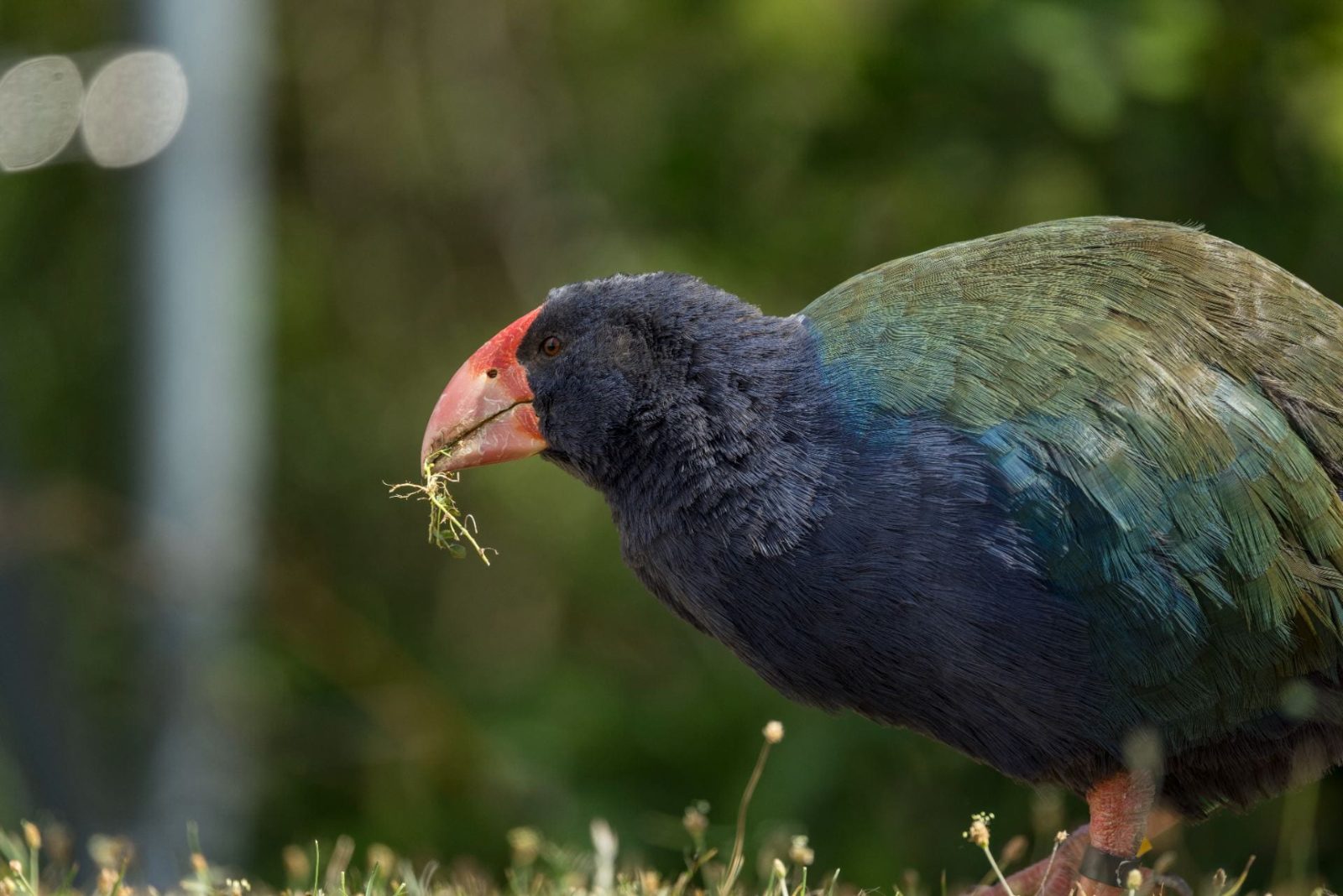
Restoration began in 1984 when volunteers planted 280,000 native trees across former pasture. By 1993 the island became predator-free, allowing translocation of endangered species that had vanished from the mainland. Today takahē, kōkako, North Island robin, saddleback, and little spotted kiwi breed without rat or stoat threat.
The Tiritiri Matangi Island ferry timetable reflects the sanctuary's commitment to controlled visitation. Services operate Wednesday through Sunday, with no Monday or Tuesday sailings to limit human pressure on nesting birds. Morning departures from Gulf Harbour dock at the island's eastern wharf around 10:00, giving visitors six hours before the afternoon return. The 75-minute crossing covers 28 kilometres of open water, passing Kawau Island and Rakino Island en route. Ferry operators coordinate with the Supporters of Tiritiri Matangi to cap daily visitor numbers at 150, preserving the island's function as a scientific reserve rather than a mass-tourism destination.
Tiritiri Matangi Island ferry tickets grant access to 17 kilometres of walking tracks maintained by Department of Conservation staff and the island's 150-member volunteer corps. The Wattle Track ascends through regenerating forest to the 1864 lighthouse, the oldest operating lighthouse in New Zealand. Hobbs Beach Track descends to a sandy cove where blue penguins nest in artificial boxes monitored by researchers. The Ridge Track offers sightlines across the gulf to Auckland's skyline 30 kilometres southwest. Native planting density now exceeds 400 trees per hectare in mature zones, creating canopy conditions that support tūī, bellbird, and whitehead populations.
The Tiritiri Matangi Island ferry from Auckland requires a two-stage journey: passengers take the Gulf Harbour ferry from downtown Auckland's Ferry Building to Gulf Harbour on the Whangaparāoa Peninsula, then transfer to the island-bound vessel. Total transit time from central Auckland exceeds three hours each way. The island's predator-free status forbids visitors from bringing food in soft packaging or bags that cannot be inspected. All bags are checked at the Gulf Harbour departure point. The island charges no entrance fee; conservation costs are embedded in ferry pricing and supported by volunteer labour that has contributed over 300,000 hours since the restoration project began.

"Restoration began in 1984 when volunteers planted 280,000 native trees across former pasture."
A step-by-step walkthrough of Tiritiri Matangi Island Ferry tickets — what you'll see, how long each stage takes, and the details that matter.
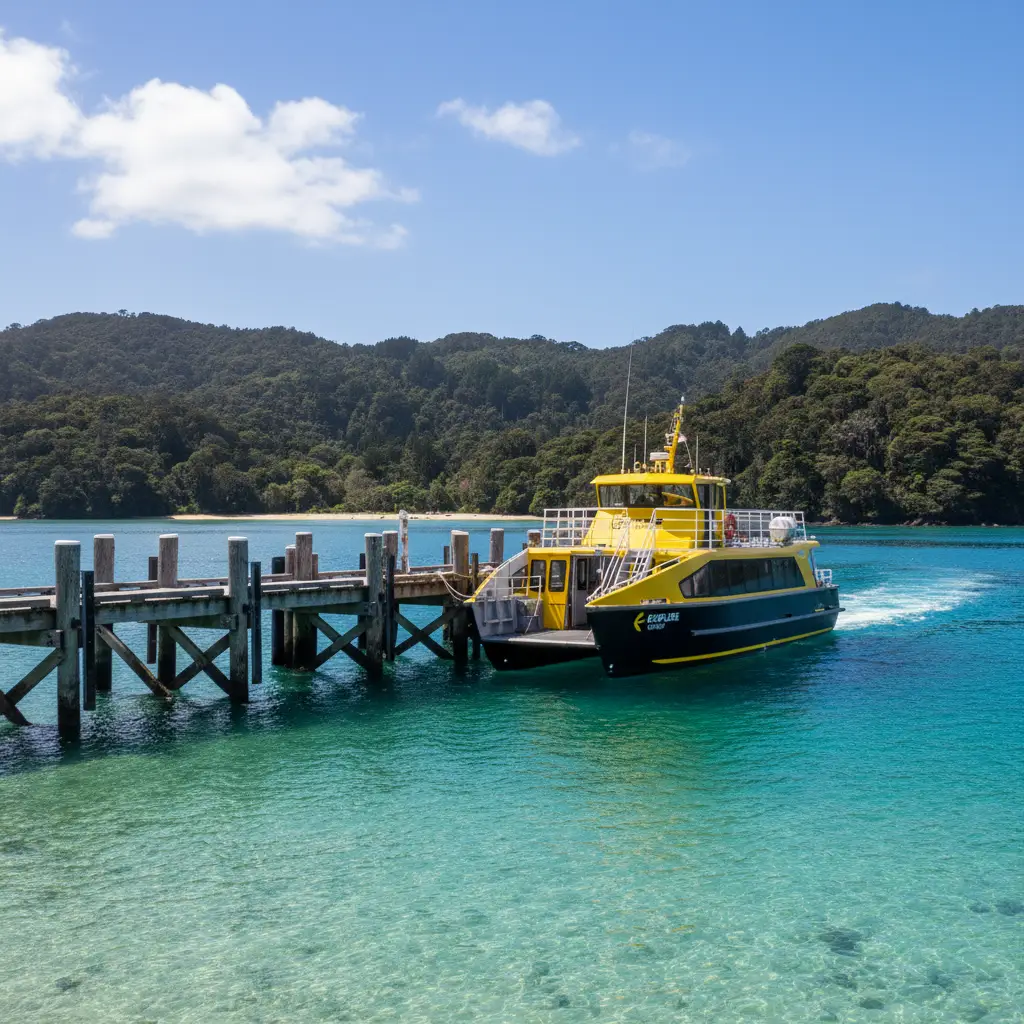
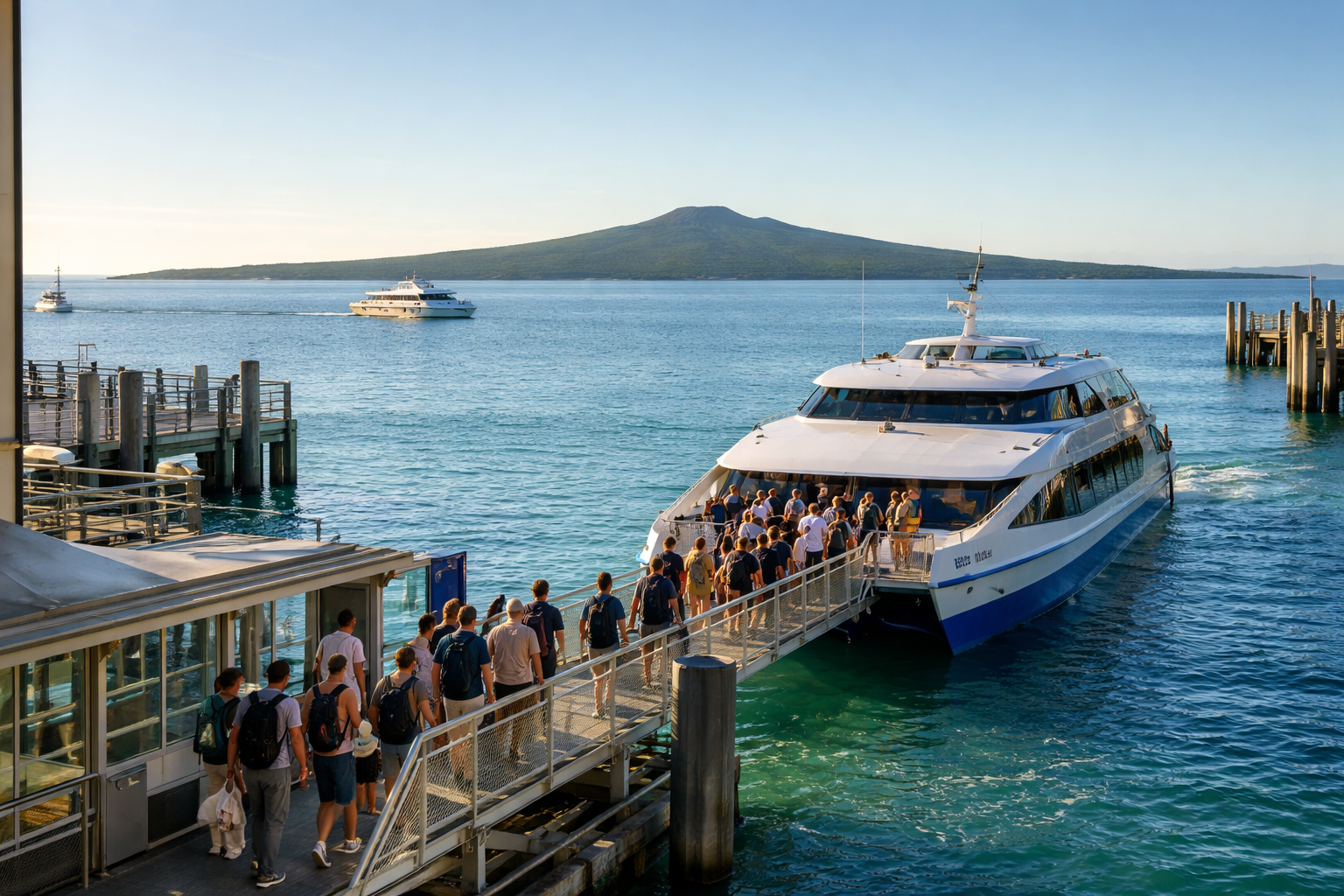
You board the vessel at Gulf Harbour, watching the Whangaparāoa Peninsula recede as the ferry pushes into the Hauraki Gulf's open water. The crossing takes 75 minutes. Kawau Island slides past to port, its forested ridges giving way to the flatter profile of Tiritiri Matangi as you approach from the southwest.
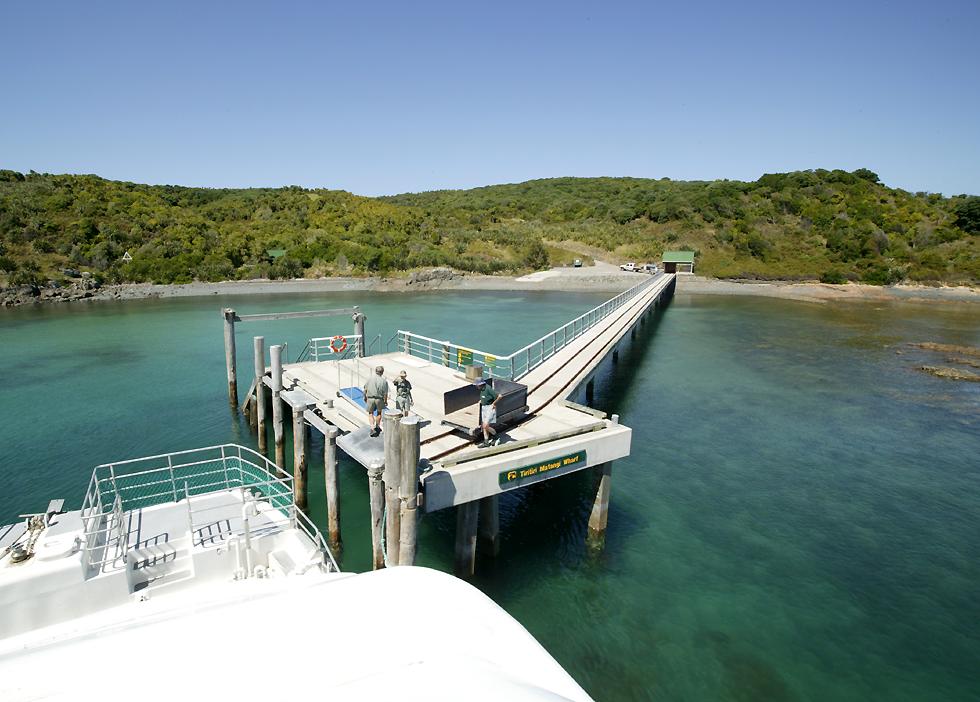
The island's eastern wharf appears, flanked by pōhutukawa that overhang the water.
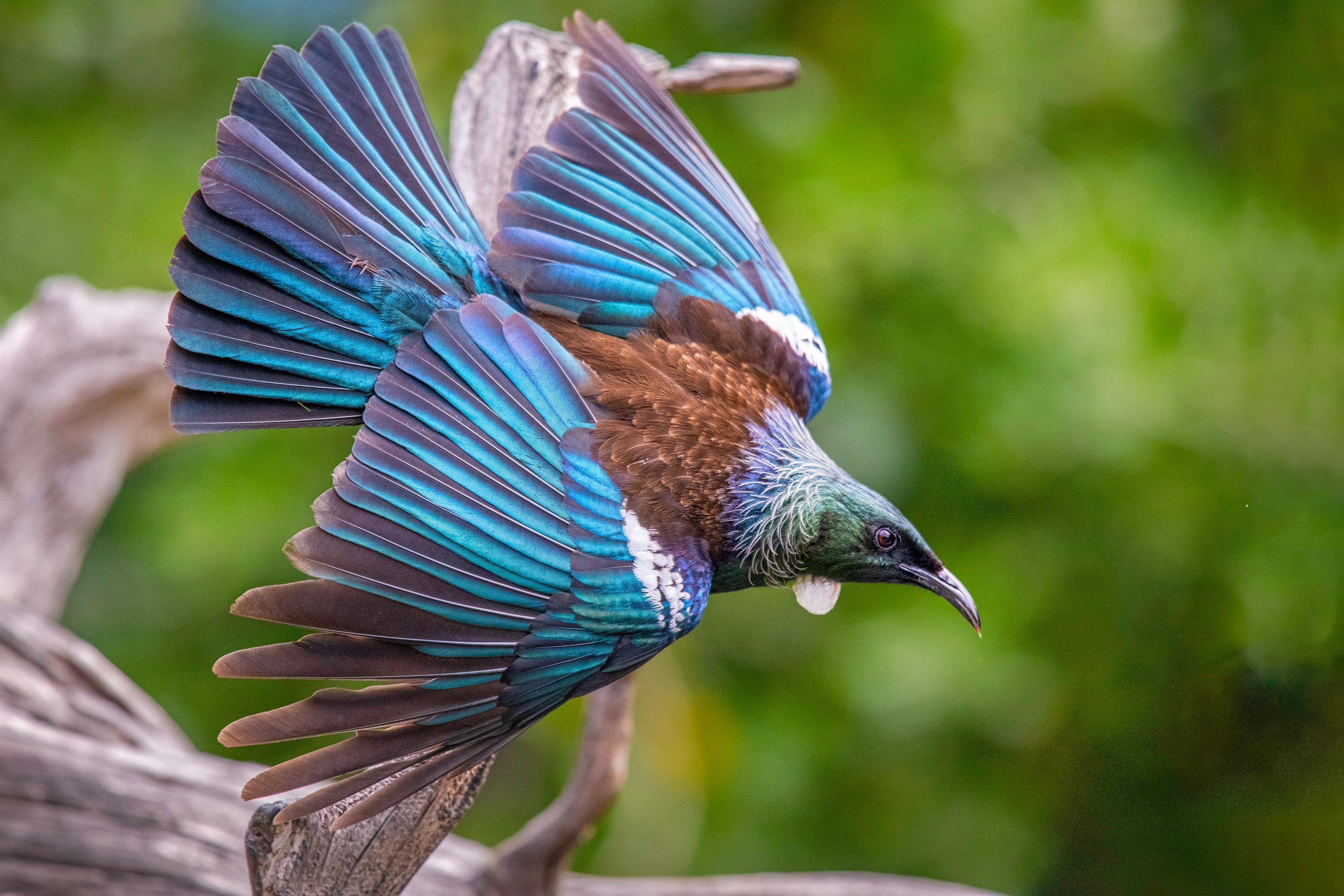
You step onto the dock and hear tūī before you see them—liquid bell notes cascading from the canopy above the Visitor Centre. The Wattle Track climbs through regenerating forest where North Island robins hop across the path, unafraid. You pause at the 1864 lighthouse, its white tower stark against the gulf horizon. Bellbirds chime from cabbage trees near the summit.
You descend via Ridge Track, scanning the understory for takahē—flightless, blue-green, improbable. The afternoon departure horn sounds at 15:30. You return to the wharf as little blue penguins shuffle into nest boxes along the shoreline, preparing for their nocturnal foraging runs.
The island is open to visitors Wednesday through Sunday, from 09:00 to 16:00.
There is an entrance fee of 0 NZD, as entry to the sanctuary is free, though your tiritiri matangi island ferry transport costs apply.
You should book your tiritiri matangi island ferry tickets online in advance through the official site to ensure a spot on the limited-capacity sailings.
Yes, you must bring your own lunch and water as there are no food vendors on the island; remember to take all your rubbish back with you.
For the best experience, arrive between 09:00–10:30 to allow maximum time for wildlife spotting before your afternoon departure.
Yes, strict biosecurity rules apply; all bags must be sealed, and gear must be free of soil and seeds to protect the island’s predator-free status.
The island is very family-friendly, and children can participate in the Kiwi Ranger programme to earn a badge while exploring the tracks.
If your tiritiri matangi island ferry tour is cancelled due to weather, you should contact the operator directly regarding their specific refund or rebooking policy.
There is a bunkhouse available for overnight stays, which requires an advance booking that often sells out well ahead of the season.