24 hr
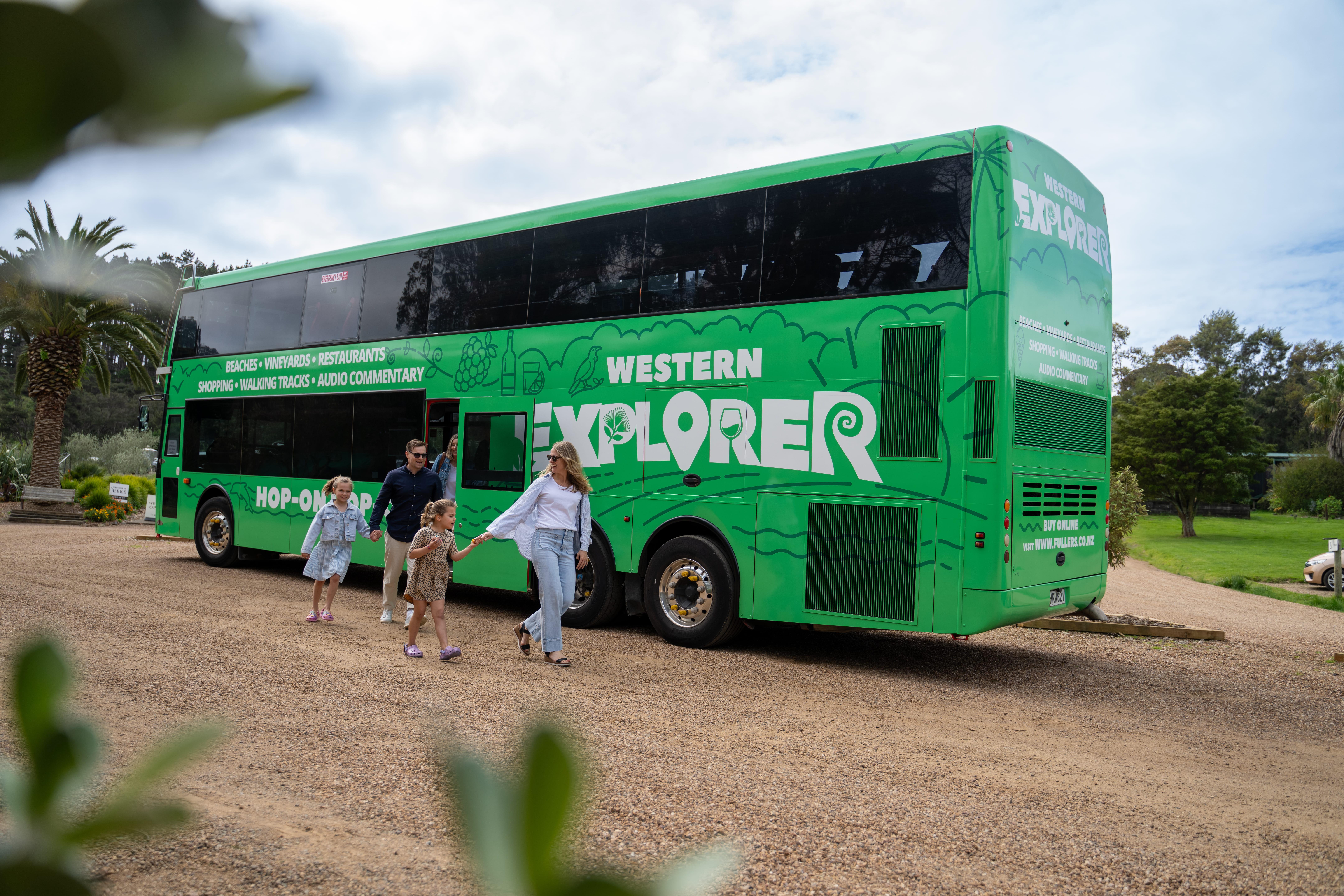
Waiheke Island Ferry & Explorer Bus Day Pass
Discover New Zealand's wine island with round-trip ferry transport and unlimited hop-on hop-off bus access
Reserve
Hand-picked by our editors — only the best 5 experiences from 12 reviewed.
Verified partners for every tour, free cancellation where available, and instant confirmation on every booking.
24 hr
Discover New Zealand's wine island with round-trip ferry transport and unlimited hop-on hop-off bus access
Reserve
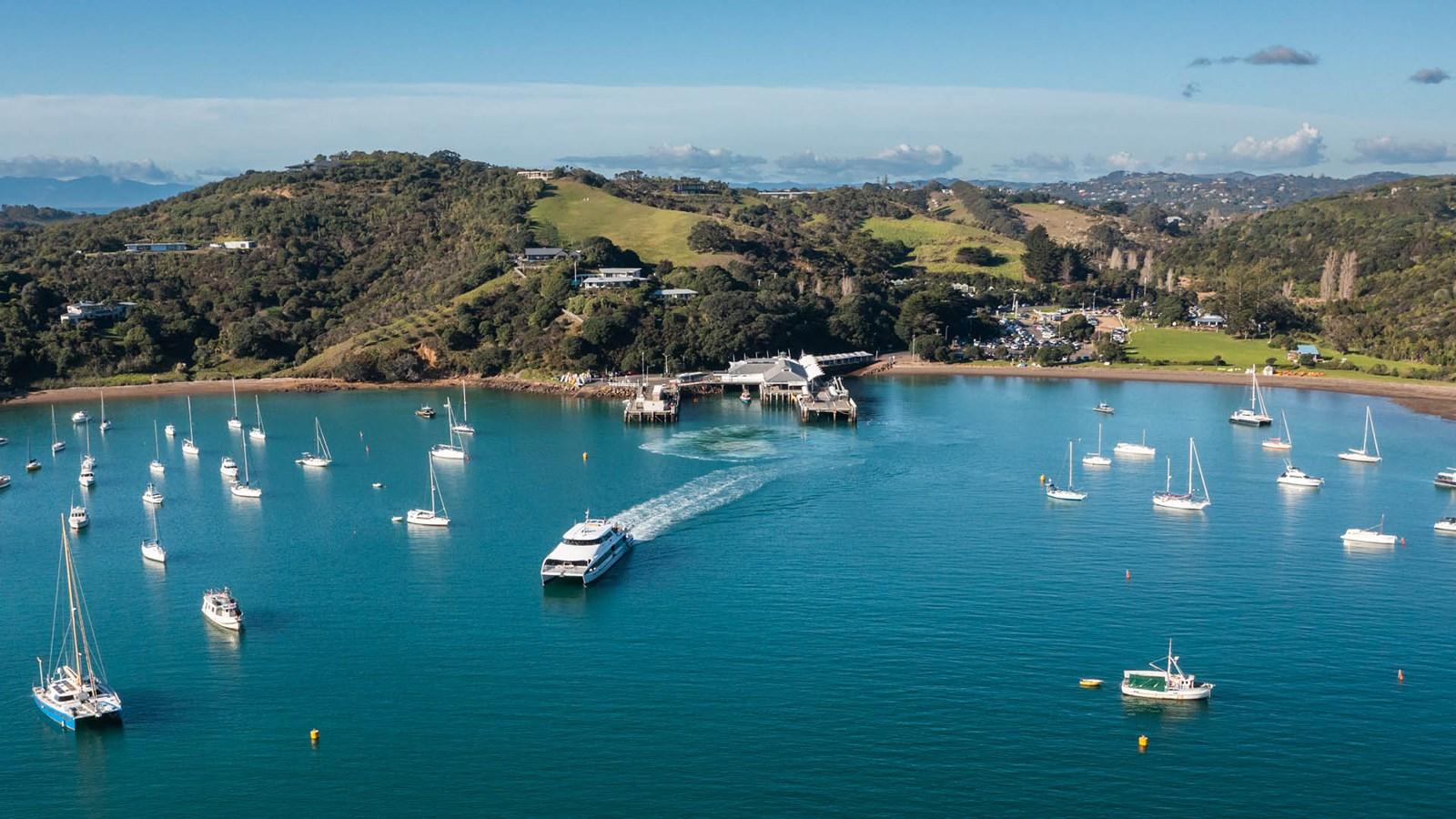
40 min
High-speed ferry crossing to a world-class island destination with beaches, vineyards, and coastal trails
Reserve
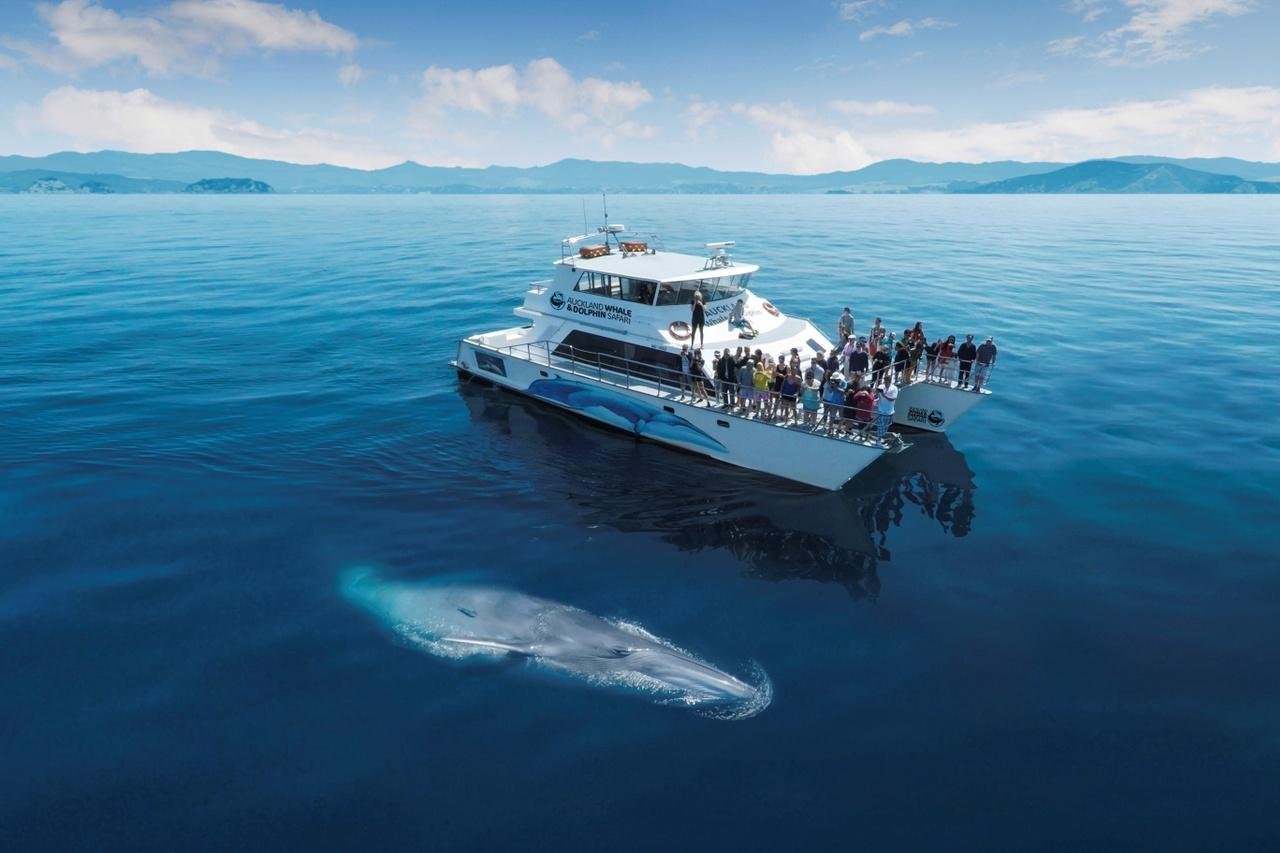
4 hr 30 min
Sail the Hauraki Gulf aboard a luxury catamaran to spot whales, dolphins, and seabirds in their natural habitat.
ReservePrices from verified partners. Availability updates in real time at checkout. Free cancellation policies apply where shown.
The landmarks, rooms, and views travelers on this tour remember — all visible on a single visit.
This 1864 landmark is the oldest working lighthouse in New Zealand and offers views of the Hauraki Gulf. It stands as a beacon of the island's maritime history.
This track provides a prime route to see rare native birds like the kōkako and tīeke through regenerating bush. It is one of the island's most popular paths.
A tranquil, sandy beach perfect for a quick break and bird spotting along the coastline. It is a designated spot for seeing oyster catchers.
Located near the lighthouse, this center offers interpretive displays and free tea and coffee for visitors. It serves as a key information hub.
Small, specially designed boxes placed along the tracks to provide safe nesting areas for the kororā/little penguin. You can often see them on your walk.
Tiritiri Matangi offers an intensive, conservation-led encounter with rare fauna, whereas Rangitoto provides a more accessible exploration of volcanic terrain and coastal landscapes. Visitors often prefer Tiritiri Matangi island ferry gulf harbour tours for bird enthusiasts, while Rangitoto suits those seeking geological interest.
| Feature | Top pick Tiritiri Matangi | Rangitoto Island |
|---|---|---|
Primary Focus |
Native bird conservation | Volcanic geology and summit views |
Accessibility |
Requires boat transport | Requires boat transport |
Walking Intensity |
Moderate walking tracks | Moderate to steep summit climbs |
Birdlife Opportunity |
High chance of rare species | Common coastal birds |
Vibe |
Quiet, educational, wildlife-focused | Social, rugged, adventure-oriented |
| See tickets → |
Verdict: Choose Tiritiri Matangi if your priority is viewing protected bird species, or select Rangitoto if you prefer securing tiritiri matangi island ferry gulf harbour tickets for a classic volcanic hiking trip.
Choose your ticket, select your date, and reserve in under two minutes. Secure checkout handled by our verified partner.
Instant confirmation by email, with a mobile voucher you can save offline. No printing, no queuing at a collection desk.
Arrive at the entrance, show your voucher on your phone, and walk in. Most tickets include priority or skip-the-line access.
Practical details for your visit straight from our verified partners — hours, access, rules, and how to get there.
Wear sturdy, closed-toe footwear and bring layers, including a waterproof rain jacket. Conditions change rapidly, and exposed tracks offer little shelter from sun or wind.
All bags must be clean, zipped, and sealed to prevent pest entry. Do not bring open bags or loose items; you will undergo a mandatory biosecurity check.
Photography is permitted throughout the island, except inside buildings or designated bird nesting areas. Drones are strictly prohibited to ensure wildlife safety.
The island features various walking tracks ranging from easy, stroller-friendly paths to steep routes with steps. Visitors should assess their fitness levels before attempting longer trails.
The sanctuary is family-friendly, offering excellent opportunities for children to learn about nature. Be prepared for some walking as the island is best explored on foot.
There are no food vendors on the island. Visitors must bring their own lunch and water, as there is no food for sale on site.
Best time to go, insider tips, nearby landmarks, and the cancellation fine print — flip through to skim what matters to you.
Flexible, no hidden fees.
Ferry services are subject to weather conditions. Refunds are not provided for missed departures or late arrivals to the tiritiri matangi island ferry gulf harbour.
Tiritiri Matangi Island was stripped of 94 percent of its native forest by European settlers who cleared the land for farming between the 1850s and 1970s. When the New Zealand Department of Conservation and volunteers launched a restoration project in 1984, fewer than ten bird species remained on the 220-hectare island. Today, following the planting of 280,000 native trees and the eradication of invasive mammals, the open-access scientific reserve supports populations of takahē, kōkako, North Island robin, and little spotted kiwi — species that had vanished from the mainland or teetered on the brink of extinction. The Tiritiri Matangi Island ferry Gulf Harbour service operates Wednesday through Sunday, with Saturday and Sunday schedules extending to accommodate longer exploration windows. The 75-minute crossing from Gulf Harbour Marina traverses the outer Hauraki Gulf, passing Whangaparaoa Peninsula and Rangitoto Island before reaching the island's eastern wharf. No vehicles operate on Tiritiri Matangi; the lighthouse road and four established walking tracks remain unpaved. The 1864 lighthouse, still operational and New Zealand's oldest working lighthouse, rises 91 meters above sea level at the island's highest point. Visitor numbers are not capped, but ferry capacity and departure times create natural limits. The island offers no food services, no rubbish bins, and no overnight accommodation except for a single researcher bunkhouse. Volunteers from the Supporters of Tiritiri Matangi maintain seed stations, monitor bird populations, and lead weekend guided walks departing from the visitor center near Hobbs Beach. The sanctuary operates under an open-sky model: no enclosures separate visitors from wildlife. Takahē graze near the jetty. Kākāriki call from regenerating kānuka. North Island saddlebacks patrol the coastal track. Hauraki Gulf island sanctuaries represent New Zealand's most intensive conservation interventions. Tiritiri Matangi's success — measured in breeding pairs, fledgling counts, and acoustic recordings — informed translocation protocols now applied across dozens of predator-free islands. The reserve's designation as a scientific and recreational reserve under the Reserves Act 1977 permits public access while prioritizing ecological research. Ferry schedules align with tide-independent mooring, and all departures from the island are timed to prevent overnight stays. The crossing itself, across open gulf water where common dolphins and Bryde's whales occasionally surface, forms part of the sanctuary experience.
"Following the planting of 280,000 native trees and the eradication of invasive mammals, the island supports populations of takahē, kōkako, and North Island robin."
A step-by-step walkthrough of the visit — what you'll see, how long each stage takes, and the details that matter.
You board at Gulf Harbour Marina, where the ferry departs promptly at the scheduled time — late arrivals miss the crossing. The vessel clears Whangaparaoa Peninsula within fifteen minutes, and the Auckland skyline recedes behind Rangitoto's volcanic cone. Depending on swell, the 75-minute passage can be choppy; outdoor seating on the upper deck offers unobstructed views but no shelter. You disembark at the eastern wharf, where takahē often forage along the jetty pylons. The visitor center, a five-minute walk uphill, stocks trail maps and displays translocation records. Four walking tracks radiate from Hobbs Beach: the Wattle Track loop (30 minutes), the Ridge Track to the lighthouse summit (90 minutes return), the Kawerau Track through coastal forest (60 minutes), and the shoreline path to Fisherman's Bay (45 minutes). Most visitors combine the Ridge Track with at least one lower circuit. You climb through regenerating kānuka and kōwhai, pausing when birdsong intensifies. Kōkako calls — low, resonant, organ-like — carry across gullies. Saddlebacks click and whistle from mānuka thickets. Near the lighthouse, the island's full topography reveals itself: Kawau Island to the north, Rangitoto and Motutapu to the south, the Coromandel ranges distant on clear days. You return to the wharf thirty minutes before departure. The ferry does not wait.
Entrance to Tiritiri Matangi Island is 0 NZD, but you must pay for ferry transport. Ferry costs apply for all passengers.
The island is open Wednesday to Friday from 09:00–16:00 and weekends from 08:30–17:20, excluding Mondays and Tuesdays.
Yes, booking your tiritiri matangi island ferry gulf harbour tickets in advance is mandatory as visitor numbers are strictly limited.
No, there is no food for sale on Tiritiri Matangi Island, so please bring your own lunch for your tiritiri matangi island ferry gulf harbour tour.
No, pets are strictly prohibited to maintain the island's pest-free status.
The island has various walking tracks, but some include steps and steep sections, so assess your fitness before booking tiritiri matangi island ferry gulf harbour tours.
You must ensure all gear and bags are clean, zipped, and free of pests or seeds before boarding the tiritiri matangi island ferry gulf harbour.
For the best experience, aim to arrive between 09:00–14:00 to maximize your time on the island before the return ferry departs.
No, drone use is strictly prohibited on the island to protect the native wildlife.